
Doctor’s Visit: Virtual vs. In-Person
The way we see doctors has changed forever. Telehealth transitioned from a "luxury convenience" to a daily essential almost overnight.
1/25/20262 min read
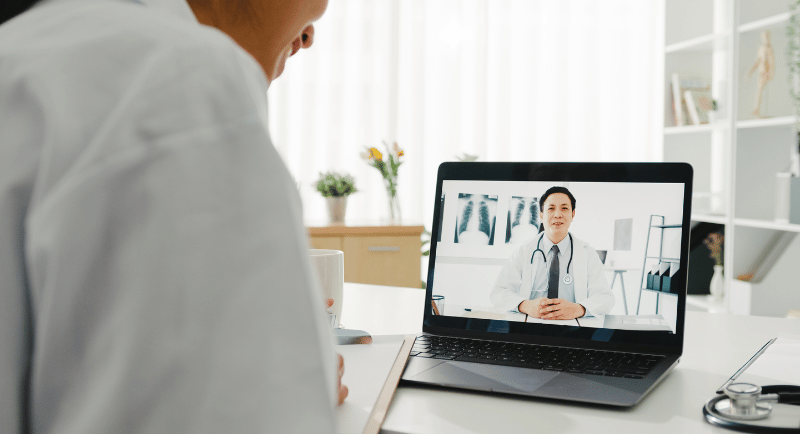
The way we see doctors has changed forever. Telehealth transitioned from a "luxury convenience" to a daily essential almost overnight. But while opening an app on your couch is easier than sitting in a waiting room with a stack of 2018 magazines, it isn’t always the right medical choice.
So, how do you decide between clicking a link or grabbing your car keys? Here is your quick guide to choosing the right care for your situation.
When to Book an Online Appointment (Telehealth)
Telehealth is fantastic for issues that are visual, conversational, or routine. If a doctor can diagnose you by looking at you or listening to your symptoms, virtual is the way to go.
Minor Illnesses: Think "the basics"—colds, flu, sinus infections, or seasonal allergies.
Skin Issues: Rashes, acne, or minor infections can often be diagnosed via a high-definition camera or uploaded photos.
Prescription Refills: If you’ve been on a stable medication for years, a quick video check-in is usually all it takes to get a refill.
Mental Health: Therapy and psychiatric evaluations are incredibly effective online and offer a level of privacy many prefer.
Reviewing Results: If you’ve already had bloodwork or imaging done, a follow-up to discuss what those numbers mean is perfect for a screen.
When You Need to See a Doctor In-Person
Some things simply cannot be digitized. If your diagnosis requires physical touch, specialized equipment, or samples, you need to head to the clinic.
1. New or Severe Pain
If you have a sharp pain in your abdomen or a persistent "new" ache, a doctor needs to perform a physical exam (palpation) to check for swelling or tenderness that a camera can’t detect.
2. Diagnostic Testing
You can't get a strep swab, a pap smear, or an X-ray over Wi-Fi. If you suspect an infection that requires a culture or if you need a physical "baseline" (like blood pressure or lung sounds), go in person.
3. Vaccinations and Procedures
From the flu shot to stitches or mole removals, anything involving a needle or a scalpel requires a face-to-face visit.
4. Comprehensive Physicals
Annual exams often require a "head-to-toe" check, including listening to your heart and lungs with a stethoscope—something your laptop mic isn't quite ready for yet.
The "Emergency" Exception
It’s important to remember that neither telehealth nor a standard clinic visit is appropriate for a life-threatening emergency. If you are experiencing chest pain, difficulty breathing, or signs of a stroke, skip the app and the primary care office—call emergency services or go to the ER immediately.
Final Thought
Telehealth is a tool, not a total replacement. Use it to save time on the small stuff, but don't hesitate to show up in person when your body tells you it needs a closer look.